042
- Filed
- 23 August 2026
- From
- Northern Palawan
- Reading time
- 6 min
The Crew Is the Infrastructure
Solar and software get the attention. What actually keeps a remote site running is nine people from the next barangay who know how the sea behaves.
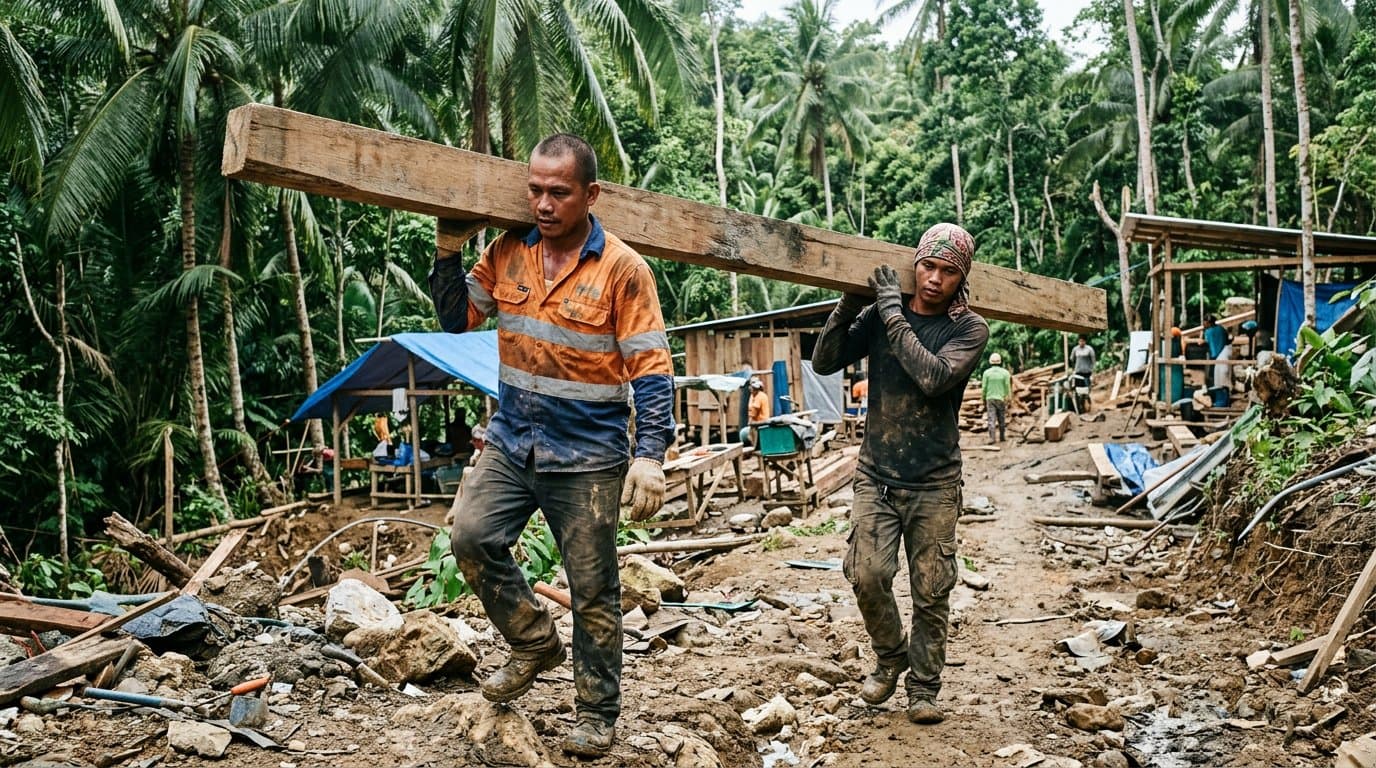
Our crew is mostly from two families in the nearest barangay. The foreman has built houses on this coast for twenty years. He reads the weather better than any app we’ve tried, and he’s usually right about the boat before the boatman is.
§What we’ve learned building with locals
- Pay on time, every time — in cash if that’s what people want. Reliability is earned in weeks and lost in a day.
- Train people on the systems they’ll maintain. The caretaker can now swap a fuse, reset the inverter and read the battery monitor.
- Hire for judgment, not just skill. The best calls on site were made by people who’ve lived through typhoons here.
- Document in the language people use. Our maintenance checklists are in Tagalog, with photos.
“Automation doesn’t replace the crew. It gives them their evenings back.”
Every system we build is designed so that someone who lives here can run it, fix it and eventually own it. That’s the part of “sustainable” nobody puts on the brochure.
More stories
All stories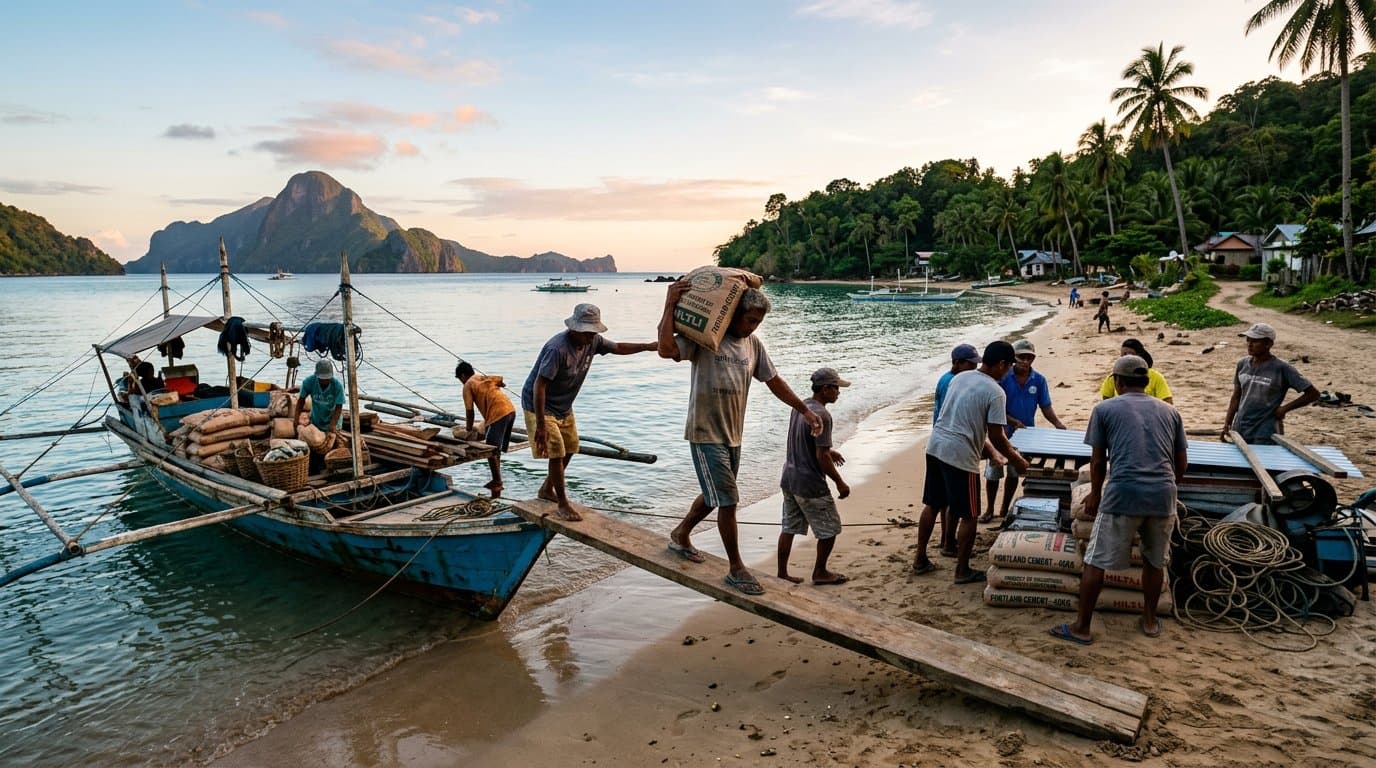
No. 047Field Ops
Building a Resort Without a Road
Every bag of cement, every solar panel, every nail came in on a bangka at high tide. Here’s what that does to a schedule, a budget, and the way you think about building.
11 min read · 27 Sept
No. 046Automation
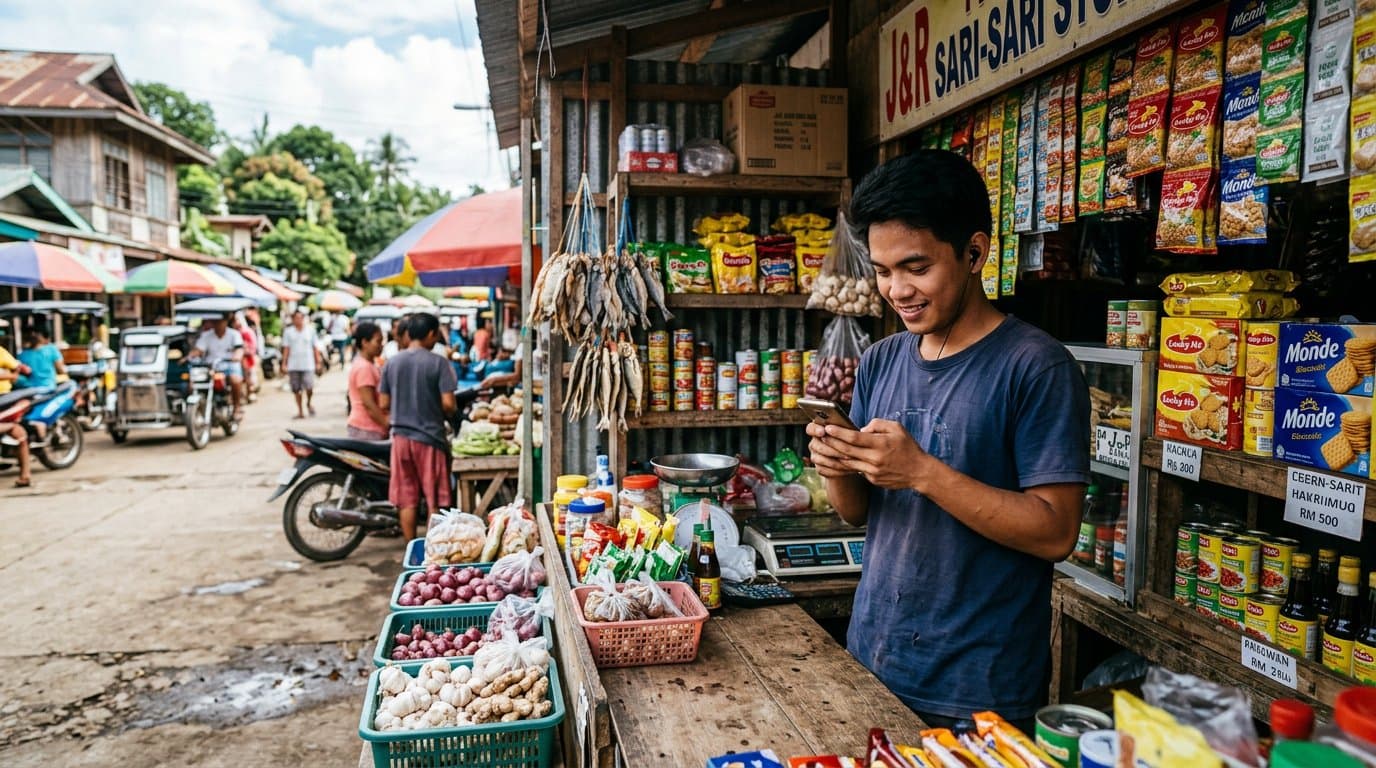
Why Local Businesses Fail with Tech (and How We Fix It)
It’s almost never the software. It’s that nobody designed for a two-person business running on one shared Android phone and prepaid data.
8 min read · 20 Sept
No. 045Infrastructure
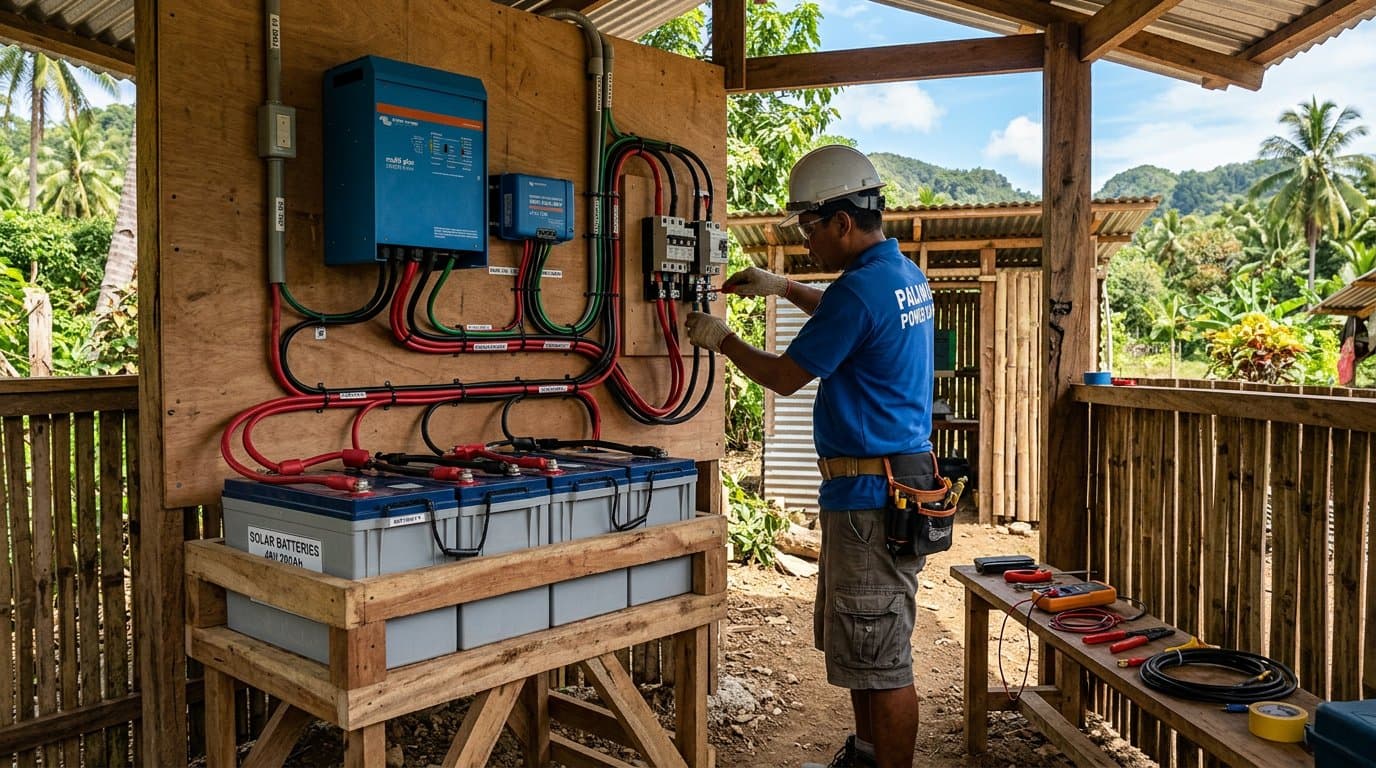
What Actually Breaks When You Go Off-Grid
Not the solar panels. A running list of the failures that actually took us offline — and the boring fixes that kept us online after.
9 min read · 13 Sept